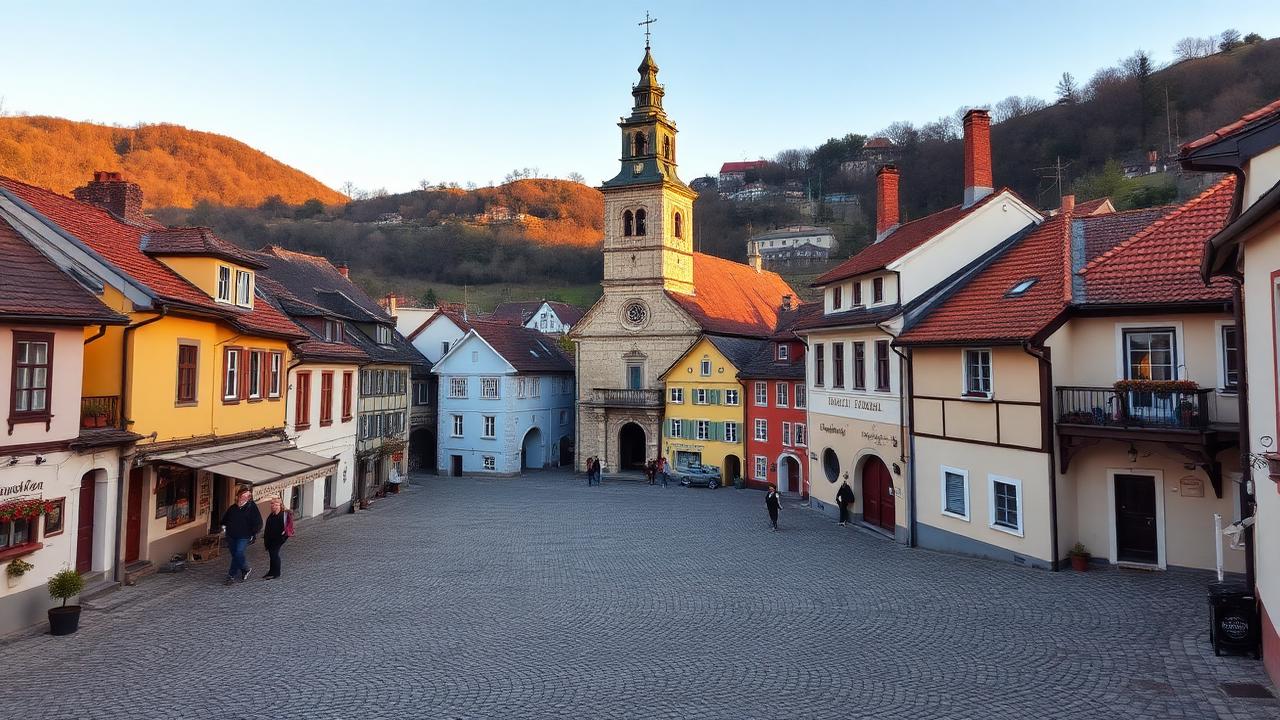
How to Write a Hotel Article That Guests Will Actually Read
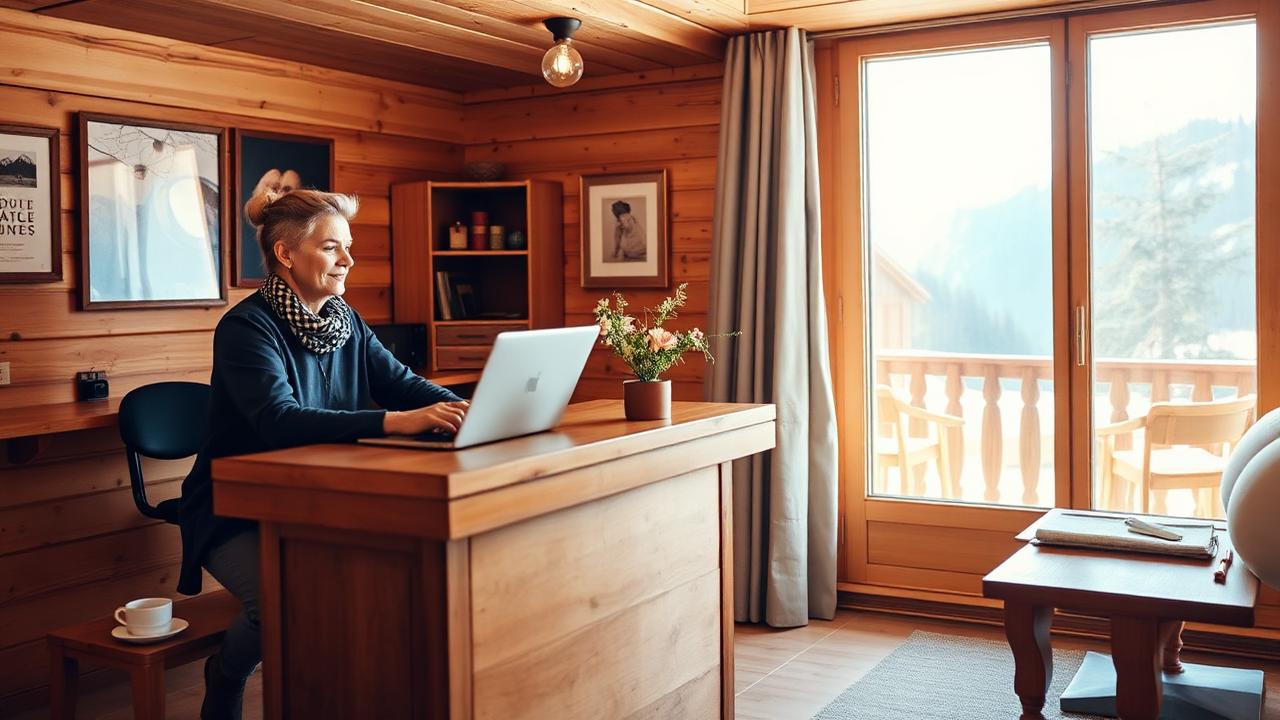
Hotel managers' inboxes are overflowing with unopened PR releases, and their websites are decorated with blogs nobody clicks on. The most common mistake is that they write articles about themselves. Texts packed with generic phrases about comfortable accommodation, great wellness, and the best breakfast in the area bring zero organic search visits and simply bore potential guests. Today’s traveler isn't just looking for a bed to sleep in, but for an experience, a solution for their weekend getaway, and verified tips for spending their free time.
Google processes thousands of queries daily from people actively planning a vacation in a specific region. If you write a post that doesn't answer their real questions, the algorithm will push it to the back pages of search results. The goal of modern hotel marketing isn't to brag about star ratings, but to provide the reader with genuine value that convinces them to book a stay directly with you.
In this guide, we'll walk through the exact process of how to write an article about a hotel or guesthouse that future guests will actually enjoy reading while also achieving high rankings on search engines. We'll cover the right structure, storytelling psychology, keyword strategy, and the visual elements that truly sell.
Why Classic PR Articles About Accommodation Don't Work and What Guests Are Really Looking For
Internet users suffer from banner blindness. When they come across a text that feels like a paid advert or a forced press release, they close it immediately. Instead of a dry product description of rooms, they expect authenticity and useful information. If a family is planning a weekend stay, stark facts about having ten double rooms won't help them—what helps is knowing if they can comfortably get around with a stroller, where nearby serves kid-friendly meals, and what activities they can enjoy if it rains.
When you consider how to write an article about a hotel, you must first step into the shoes of a local guide. Readers don't need convincing that your property is the absolute best in the region. They need to discover everything they can experience with you and what a typical day will look like. This shift in perspective—from "we are great" to "we will help you plan the perfect stay"—is what separates an ignored article from one that drives direct bookings.
A well-crafted article addresses the reader's unspoken concerns. You need to show both search engines and guests that you know your region inside out. When your content solves the entire logistics of a trip, booking a stay at your property becomes the natural and logical choice at the end of their decision-making process.
Storytelling and Local Itineraries: The Foundation of a Successful Hotel Article
The human brain is naturally hardwired to absorb stories rather than dry facts. Instead of a plain list of amenities, connect your property's features with a tangible emotion. Describe the origins of your guesthouse, showcase the local ingredients your chef cooks with, or paint a picture of a peaceful morning sipping coffee on the terrace overlooking the mountains. A good story closes the distance between your venue and the guest, building trust even before they arrive.
The most effective format for a hotel blog is combining a story with a concrete itinerary. Readers love ready-made two- to three-day travel plans. Serving them a complete weekend program—including a morning hike up a nearby peak, lunch at a traditional koliba (rustic mountain tavern), and an evening relaxing in your spa—does most of the planning work for them. In their minds, your hotel naturally becomes the home base for the entire trip.
Be specific when creating an itinerary. Include real distances, estimated travel times, and practical parking tips near local attractions. The more detailed your information is, the greater authority you gain both in the eyes of the reader and Google's ranking algorithms.
Sample Outline: How to Write a Hotel Article Step by Step
For a text to be easy to digest for guests and search engines alike, it needs a clear structure. When drafting a new blog post, you can confidently rely on a proven framework that any marketing manager can easily apply.
A sample outline for a successful accommodation article:
1. A catchy headline and engaging introduction addressing a real guest problem.
2. An introduction to the location and a specific one-day or weekend itinerary.
3. Naturally weaving in the accommodation as the ideal place to relax after a day out.
4. Practical information (parking, dining, amenities for children or pets).
5. Visual proof (real photos) and a clear call to action (CTA) offering an added benefit.
Once your outline is ready, work through it paragraph by paragraph while keeping a smooth pace. In the introduction, immediately clarify who the article is for—whether couples looking for romance or active families with kids. In the main section, describe the excursion route in detail and seamlessly transition into what the reader will experience when returning to your property in the late afternoon. Always end the article with a clear direction toward your booking system, ideally featuring an added value such as complimentary breakfast for direct bookings.
Essential SEO Rules for a Hotel Blog: Keywords and Meta Descriptions
High-quality text holds little real value if search engines can't find it. The key to success is properly integrating key phrases such as how to write an article about a hotel, or regional search queries like "weekend stay in Liptov" or "wellness accommodation for two." Place your primary keyword in the H1 headline, in the first paragraph, and across several H2 subheadings. Ensure the text flows naturally and isn't stuffed with repetitive terms.
Meta titles and meta descriptions also play a crucial role. These elements appear directly in Google search results. A meta description should typically be up to 155 characters, containing the primary keyword and a clear compelling reason to click the link. Properly configured metadata significantly increases your click-through rate (CTR) from the search engine results page straight to your website.
Don't forget synonyms and semantically related terms, which search engine algorithms use to understand context. If you're writing about a mountain hotel, naturally incorporate terms like hiking, cable cars, mountain biking, or post-hike relaxation. This helps Google recognize your article as a comprehensive guide on the topic.
Visuals and Internal Links That Convert Readers into Guests
Just like compelling copy, high-quality visual content dictates whether a guest stays on your page. Avoid using stock photos. Guests instantly spot artificial imagery, which damages trust in your property. Use genuine, high-resolution photographs of your accommodation, freshly prepared dishes from your restaurant, and the surrounding scenery. Every photo should feature descriptive alt text to help search engines understand what's depicted in the image.
Remember to build an internal linking strategy. If you mention your wellness center, upgraded room categories, or special seasonal packages in the article, insert a direct link to the corresponding subpage. Internal links help distribute link equity across your site while making navigation effortless for visitors. Instead of generic anchor text like "click here," use descriptive anchor texts such as "explore our selection of family suites."
However, producing quality content, taking professional photographs, and promoting your posts requires time and marketing expertise. If you want to ensure your blog brings real results without spending dozens of hours writing, YesTrip.eu is here to help. The platform manages the entire process—from crafting engaging articles and capturing photography to curating attractive itineraries—and publishes the content across popular blogging platforms and targeted social media communities. A major benefit for properties is their transparent performance model: you only pay once the work is fully delivered and approved.
Most Common Mistakes in Content Creation for Accommodation Properties
Many accommodation providers repeatedly make mistakes when writing blog posts that completely undermine their efforts. The first is inconsistency. Publishing one article a year isn't enough for Google to notice your site and build sufficient domain authority. Content marketing is a long-term strategy that requires consistency and a well-defined publishing schedule.
The main pitfalls in hotel articles include:
- A lack of integration with the booking engine and missing calls to action (CTAs).
- Using overly generic, boring phrases that offer no real added value.
- Ignoring mobile optimization and having slow load times due to unoptimized images.
- Writing exclusively about your own property without considering the broader region.
Another common issue is focusing too narrowly on your own services. By leaving out information about the surrounding area, you miss out on a vast audience of potential guests who aren't searching for a specific hotel yet, but rather a destination for their holiday. Your goal is to capture these travelers early in their decision-making journey and demonstrate that your property is their best choice.
Creating content for an accommodation property requires patience, but it yields the most sustainable results of any marketing channel. A properly optimized article that addresses real travel needs can continue driving new guests for months—or even years—after publication.
Writing an article about a hotel or guesthouse that guests genuinely enjoy reading and search engines rank at the top isn't a matter of luck—it's a calculated strategy. Focus on your guests' needs, offer actionable itineraries, back your text up with high-quality imagery, and stick to fundamental SEO best practices. Start creating content that sells experiences and transform your blog readers into loyal guests. Try planning your first topic-focused article today, or leave its preparation to destination marketing experts.
Matúš Chlepko — CEO yestrip.eu