Charleston, South Carolina: History, Hospitality, and the Atlantic at Your Doorstep

Charleston has a way of revealing itself slowly. At first, it may be the pastel façades along Rainbow Row, the church steeples rising above the peninsula, or the palmettos stirring in a warm Atlantic breeze. Then come the quieter details: worn brick underfoot, shaded courtyards glimpsed through iron gates, the scent of jasmine, and the soft light settling over the harbor at the end of the day.
Where the Lowcountry Meets the Sea
Located on the coast of South Carolina in the southeastern United States, Charleston sits where the Ashley and Cooper rivers meet before flowing into the Atlantic Ocean. Water shapes nearly every part of the city’s identity, from its maritime history and seafood traditions to the tidal creeks, salt marshes, and barrier islands surrounding it.
The historic center occupies a compact peninsula, making Charleston unusually rewarding to explore on foot. Grand houses stand near small gardens, independent shops fill old storefronts, and restaurants occupy buildings that have witnessed generations of change. Yet Charleston is not simply preserved in the past. The city has a lively contemporary character expressed through its galleries, culinary scene, festivals, universities, and creative businesses.
The coast is never far away. Folly Beach, Sullivan’s Island, and Isle of Palms are all within easy reach, allowing visitors to pair museums and architecture with barefoot walks beside the Atlantic. This combination—historic city and relaxed seaside escape—is one of Charleston’s greatest pleasures.
A City Shaped by Beauty, Trade, and Complex History
Charleston was founded in 1670 as Charles Town and moved to its present peninsula location a decade later. Its natural harbor helped it grow into an important colonial port. Wealth flowed through the city from commodities including rice and indigo, but that prosperity depended heavily on the labor and knowledge of enslaved Africans and their descendants.
Understanding this history is essential to understanding Charleston. The city played a major role in the transatlantic slave trade, and many of its celebrated buildings and landscapes were created within an unequal society. Today, museums, historic sites, preservation organizations, and cultural institutions increasingly present a fuller account of the people whose lives shaped the Lowcountry.
Charleston is also part of the Gullah Geechee Cultural Heritage Corridor, which extends along the coasts of North Carolina, South Carolina, Georgia, and Florida. Gullah Geechee culture developed among descendants of enslaved Africans in the coastal South and Sea Islands, preserving distinctive traditions in language, food, crafts, agriculture, spirituality, and music. Sweetgrass basketmaking, visible today at the Charleston City Market and in nearby Mount Pleasant, is among the region’s best-known living art forms.
The city later became a focal point of the American Civil War. On April 12, 1861, Confederate forces opened fire on Fort Sumter in Charleston Harbor, beginning the conflict. Visitors can reach Fort Sumter National Historical Park by ferry and stand at the site where this defining chapter of American history began.
Charleston has endured wars, fires, earthquakes, hurricanes, and profound social change. Its architectural heritage reflects that long story. Georgian, Federal, Greek Revival, Italianate, and Victorian buildings appear throughout the historic district, alongside the characteristic Charleston single house—a narrow residence often only one room wide, with long side piazzas positioned to catch the breeze.
Day One: Streets, Gardens, and Harbor Light
Begin your first morning in the heart of the historic district. Start near the Battery, the promenade along the lower edge of the peninsula, where grand houses face Charleston Harbor. White Point Garden, shaded by live oaks, offers views toward Fort Sumter, Castle Pinckney, and Sullivan’s Island. Early morning is especially atmospheric, before the day grows warm and the streets become busy.
From the Battery, walk north through the residential lanes south of Broad Street. This area rewards unhurried exploration, but remember that most gardens and courtyards are private. Admire them from public sidewalks unless a property is open for tours.
Continue to Rainbow Row, the famous group of pastel-colored historic houses along East Bay Street. From there, make your way toward Waterfront Park. Its lawns, shaded paths, and pineapple fountain provide a relaxed pause beside the Cooper River, while the pier offers broad harbor views.
For lunch, try a casual Lowcountry restaurant or seafood café around East Bay Street, the French Quarter, or the City Market area. Afterwards, visit the Old Slave Mart Museum on Chalmers Street. Housed in a building once used as part of a slave auction complex, the museum examines Charleston’s role in the domestic slave trade. Its setting and subject matter make it a sobering but important stop.
Spend the rest of the afternoon exploring the French Quarter. The district contains historic churches, art galleries, cobbled sections of street, and notable buildings such as the Dock Street Theatre. Nearby, the Charleston City Market stretches through a series of open-air and enclosed buildings. Though it is a popular visitor destination, it is also a place to learn about sweetgrass basketry and meet artisans carrying forward a centuries-old Lowcountry tradition.
End the day with a walk along King Street, Charleston’s principal shopping corridor. Lower King is known for antiques, while the blocks farther north mix fashion, design, cafés, and restaurants. Reserve dinner in advance if you have a particular restaurant in mind; Charleston’s best-known dining rooms often fill quickly.
Day Two: Fort Sumter and the Cultural Heart of the City
Dedicate the second morning to Charleston Harbor. Ferries to Fort Sumter National Historical Park depart from Liberty Square in downtown Charleston and, seasonally, from Patriots Point in Mount Pleasant. Check schedules and book ahead, particularly during spring and weekends.
The boat journey is part of the experience, providing views of the Charleston skyline, Ravenel Bridge, harbor islands, and passing vessels. At Fort Sumter, exhibits and ranger interpretation explain the events that led to the Civil War, the bombardment of the fort, and its later history. Conditions can be sunny and windy, so bring water and sun protection.
Back at Liberty Square, visit the nearby International African American Museum. Opened in 2023 on Gadsden’s Wharf, a site associated with the arrival of enslaved Africans, the museum explores African American history and the wider African diaspora. Its exhibitions connect Charleston’s local story to national and global histories, while the African Ancestors Memorial Garden offers space for reflection.
After lunch, choose one of Charleston’s historic houses or museums. The Nathaniel Russell House is admired for its Federal architecture and free-flying spiral staircase, while the Aiken-Rhett House offers a more conserved, less restored view of an urban estate and its associated service spaces. Both sites address the lives of enslaved people as well as those of the wealthy families who occupied the properties.
Later, walk through the campus of the College of Charleston, founded in 1770, where live oaks and historic buildings create one of the peninsula’s most attractive settings. Continue north to explore Upper King Street, now a center for contemporary dining and nightlife.
For the evening, consider a performance at the historic Dock Street Theatre, a concert, or a relaxed drink on a rooftop terrace. Charleston’s skyline is relatively low, so even modest elevations can reveal memorable views of steeples, rooftops, and the harbor.
Day Three: Choose the Beach and Breathe in the Atlantic
On your final day, leave the peninsula for the coast. Each of Charleston’s nearby beaches has a different personality.
Folly Beach, south of downtown on Folly Island, is casual and energetic, with surf culture, beach shops, and restaurants clustered near Center Street. It is a good choice for travelers who want an easygoing beach-town atmosphere. Walk along the sand, watch surfers near the pier, or explore the quieter stretches farther from the center. At the northeastern end of the island, the Lighthouse Inlet Heritage Preserve offers views toward the Morris Island Lighthouse, though access conditions and parking restrictions should be checked before setting out.
Sullivan’s Island, reached by crossing into Mount Pleasant, feels more residential and understated. Its broad beach is complemented by significant history. Fort Moultrie, part of Fort Sumter and Fort Moultrie National Historical Park, traces coastal defense from the American Revolution through World War II. The island was also an entry point for many enslaved Africans arriving in North America, a history acknowledged at the Toni Morrison Society’s “Bench by the Road.”
Nearby Isle of Palms offers a classic family-friendly beach setting with wide sands, vacation homes, and convenient facilities around Front Beach. It can be a practical option for visitors seeking a straightforward day of swimming and relaxation.
Whichever beach you choose, observe local rules, respect dunes and wildlife, and pay close attention to tides and swimming conditions. Summer sun can be intense, while ocean currents deserve caution throughout the year.
Return to Charleston before sunset. For a final evening, take a harbor cruise, stroll the Battery once more, or dine beside Shem Creek in Mount Pleasant, where shrimp boats and marsh views evoke the working-waterfront character of the Lowcountry.
Food and Drink: A Taste of the Lowcountry
Charleston’s culinary reputation rests on both tradition and reinvention. Lowcountry cooking reflects African, European, Caribbean, and Indigenous influences, shaped by the coastal environment and ingredients such as rice, seafood, okra, benne seeds, and field peas.
Look for shrimp and grits, she-crab soup, oysters, red rice, and seasonal fish. A Lowcountry boil—typically combining shrimp, sausage, corn, and potatoes—is designed for convivial eating. Local menus may also feature Carolina Gold rice, a historic variety central to the region’s agricultural and culinary story.
Charleston is equally comfortable with polished tasting menus and informal counter-service meals. Traditional Southern dishes coexist with modern restaurants influenced by West African, Caribbean, French, Italian, and Asian cuisines. Bakeries, coffee shops, breweries, and cocktail bars add variety, particularly around King Street and in neighborhoods north of the traditional historic core.
Seafood is seasonal, so ask what is local and fresh. Oyster roasts are a beloved cool-weather custom, while summer brings tomatoes, peaches, and refreshing drinks suited to humid afternoons. Reservations are advisable for prominent restaurants, especially from Thursday through Saturday.
Where to Stay, from Simple to Splendid
The historic district is the most convenient base for first-time visitors. From here, many major sights, restaurants, and shops are walkable. Budget accommodation on the peninsula is limited, but hostels, simple inns, and occasional hotel deals may range broadly from about $100 to $180 per night, depending heavily on season and events.
Mid-range hotels and guesthouses commonly fall between roughly $180 and $350 per night. These include modern properties near Upper King Street as well as intimate inns in restored buildings. Travelers with cars may find better value in Mount Pleasant, West Ashley, or North Charleston, though parking and transport costs should be considered.
Luxury hotels and historic inns often begin around $350 per night and can rise well beyond $700 during peak periods. At this level, expect refined design, central locations, pools or rooftop spaces, and full-service dining.
Beach accommodations on Folly Beach, Isle of Palms, and Sullivan’s Island range from modest rooms to high-end resorts and vacation homes. Minimum stays may apply, especially in summer. Taxes, parking fees, and resort charges can significantly affect the final total, so compare complete rates rather than headline prices.
Practical Information for Your Charleston Visit
Charleston International Airport, identified by the code CHS, is in North Charleston, roughly 12 miles northwest of downtown. It offers direct flights to many major cities in the United States. Taxis, app-based ride services, rental cars, and public buses connect the airport with the wider area.
Drivers generally approach via Interstate 26, which ends in Charleston. Amtrak serves the region at a station in North Charleston on routes connecting the city with destinations along the East Coast. Long-distance bus services also operate in the metropolitan area.
Once downtown, walking is the best way to experience the historic peninsula. The free DASH shuttle operated by the Charleston Area Regional Transportation Authority serves useful central routes. Pedicabs, taxis, and ride services are widely available. A rental car is unnecessary for a short stay focused entirely on downtown, but it is useful for beaches, plantations, and destinations outside the center. Parking can be scarce and expensive in historic areas.
Spring, particularly March through May, is one of the most popular seasons, with mild temperatures and abundant blooms. Autumn is also appealing, bringing generally comfortable weather and fewer midsummer extremes. Summer is hot, humid, and busy at the beaches, with frequent afternoon thunderstorms. Winter is quieter and often mild, though cold spells occur.
Atlantic hurricane season officially runs from June through November. Travelers visiting during this period should monitor forecasts and choose flexible booking arrangements. In every season, comfortable shoes are essential for uneven sidewalks and old paving stones, while sun protection and water are wise companions.
Come for the History, Stay for the Feeling
Charleston’s appeal lies in contrasts: solemn history and easy hospitality, formal architecture and wild salt marsh, elegant dining rooms and sandy feet. It is a city that invites admiration, but also reflection—a place best experienced with curiosity about the many communities and stories that made it what it is.
Give Charleston three days and you will see its famous streets, taste the Lowcountry, and feel the Atlantic breeze. Give it a little more time, and the city’s quieter rhythms—morning light on the harbor, bells in the distance, and evening settling over the marsh—may be what brings you back.
Photo gallery

The town centre and its everyday atmosphere in Charleston, United States.
Daniel Blake Tenement, 6-8 (2-4) Courthouse Square, Charleston (Charleston County, South Carolina) (cropped)
Foto: Charles N. Bayless, Photographer · Public domain · Wikimedia Commons

The town centre and its everyday atmosphere in Charleston, United States.
Photomechanical print (postcard) : halftone, colored Divided back Printed by Curt Teich & Co. Daniel Blake Tenements
Foto: J. S. Pinkussohn Cigar Co., Charleston, South Carolina (publisher) · Public domain · Wikimedia Commons
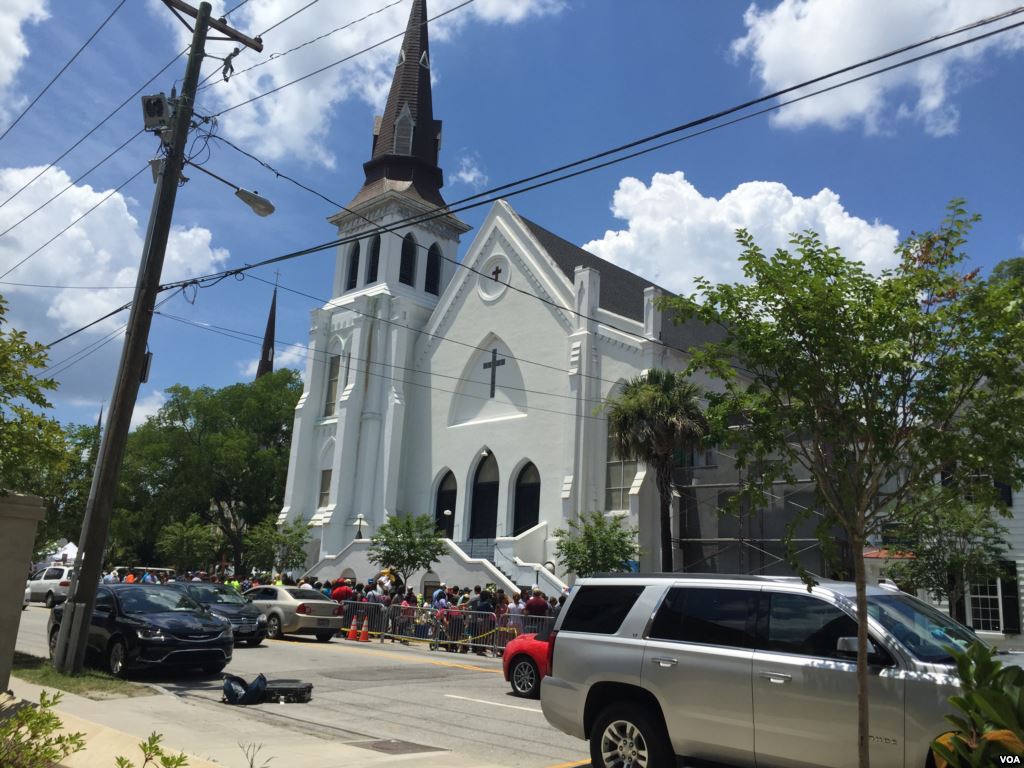
One of the historic landmarks you can visit here in Charleston, United States.
Charleston church memorial after attack
Foto: VOA · Public domain · Wikimedia Commons

One of the historic landmarks you can visit here in Charleston, United States.
Unitarian Church in Charleston, Harleston Village, Charleston, SC
Foto: Warren LeMay from Covington, KY, United States · CC0 · Wikimedia Commons

Nature and day-trip options in the area in Charleston, United States.
Image title: Charleston bridge Image from Public domain images website, http://www.public-domain-image.com/full-image/nature-landscapes-public-domain-images-pic
Foto: Unknown authorUnknown author · Public domain · Wikimedia Commons

Nature and day-trip options in the area in Charleston, United States.
The Kanawha River at South Charleston, West Virginia, USA. The Interstate 64 bridges cross the river at this point.
Foto: Acroterion · CC BY-SA 4.0 · Wikimedia Commons

The regional food you can taste here in Charleston, United States.
Tender, juicy roast turkey - the main attraction - with old-fashioned gravy, cranberry sauce, smashed potatoes, baked green beans, sweet and sour cod, steamed r
Foto: Ms Jones from California, USA · CC BY 2.0 · Wikimedia Commons

The regional food you can taste here in Charleston, United States.
A red hot garbage plate.
Foto: Eugene Peretz from Northampton, MA, USA · CC BY-SA 2.0 · Wikimedia Commons
Photographs come from Wikimedia Commons and are used under the licences shown, with attribution.