Positano and the Amalfi Coast: Three Days of Sea, Cliffside Villages, and the Scent of Lemons

By Giulia Ferrara, Amalfi Coast Tourist Office.
There are places that seem made to be savored slowly, perhaps from the parapet of a terrace overlooking the Mediterranean. Positano is one such place: a cascade of pink, yellow, and white houses tumbling down the mountainside to the sea, crisscrossed by narrow alleys, stairways, and pergolas. All around stretches the Amalfi Coast, on the southern shore of the Sorrentine Peninsula in the Campania region of Southern Italy: a UNESCO-recognized cultural landscape where nature and human presence intertwine in striking harmony.
The coastline winds past sheer cliffs, lush green ravines, and tiny towns clinging to the Gulf of Salerno. The scenic road traces dramatic bends high above secluded coves and terraced lemon groves, while from the sea, the villages appear like small amphitheatres facing the horizon. Positano is the undisputed star of endless photographs, but the journey gains true depth when it encompasses Amalfi, Ravello, Praiano, and the other gems dotting this stretch of Campania.
A Vertical Landscape of History and the Mediterranean
The Amalfi Coast is far more than just a beach destination. Its character stems from centuries of seafaring, trade, agriculture, and adaptation to a steep terrain where nearly every flat space was painstakingly carved out by hand. Dry-stone walls support lush gardens and lemon groves; ancient stairways connect homes and footpaths; coastal lookout towers recall an era when the sea brought immense wealth, but also danger.
Amalfi was the heart of a powerful Maritime Republic in the Middle Ages, maintaining thriving trade relations across the Eastern Mediterranean. Its storied history is still written in the grand monumental complex of the Cathedral of Sant’Andrea (Duomo di Sant’Andrea), which dominates the square of the same name with its dramatic staircase. The Paradise Cloister (Chiostro del Paradiso), with its elegant Moorish arches, and the Basilica of the Crucifix (Basilica del Crocifisso) tell the tale of the city's layered artistic and religious heritage. Just a short walk away, the Paper Museum (Museo della Carta) preserves the legacy of Amalfi’s famed papermaking tradition, born from ancient trading contacts.
Positano also shared a long bond with the sea, but its modern identity took shape primarily in the 20th century, when international artists, writers, and travelers began flocking to its shores. Boutiques selling breezy dresses, handcrafted leather sandals, and vibrant textiles gave birth to the famed "Moda Positano"—the quintessential symbol of refined yet relaxed summer style.
At the heart of the town stands the Church of Santa Maria Assunta, instantly recognizable by its majolica-tiled dome. Set just steps from the Spiaggia Grande beach, its location perfectly encapsulates the local spirit: spirituality, daily life, and the sea coexisting in an intimate space framed by towering mountains.
Ravello, on the other hand, represents the coast's more contemplative side. Perched high above the sea, it is famous for Villa Rufolo and Villa Cimbrone, whose exquisite gardens, terraces, and sweeping vistas have inspired generations of musicians, writers, and painters. Its serene atmosphere—especially in the quiet mornings and outside peak season—offers a welcome contrast to the lively energy of the seaside towns.
Day One: Positano, From the Terraces to Spiaggia Grande
Your first encounter with Positano should be unhurried. If you arrive via the coastal road, take time to pull over at designated viewpoints and admire the town's remarkable vertical layout. Cars are mostly confined to the upper roads and parking garages; the heart of the village is explored entirely on foot, descending through a labyrinth of narrow lanes and stairways. Comfortable shoes are essential, even if the atmosphere naturally calls for Mediterranean chic.
Spend the morning winding your way down to the historic center. Along the way, you'll discover ceramic workshops, artisan ateliers, fashion boutiques, and sun-drenched terraces where the deep blue sea suddenly glimpses between cliffside buildings. Once you reach the Church of Santa Maria Assunta, step inside to admire its interior before making your way to Spiaggia Grande—Positano's vibrant seaside living room.
The beach blends lively beach clubs with free public areas, offering breathtaking views of the town's stacked, pastel houses. It gets very busy during peak season, so arriving early lets you soak in the magic in peace. For a more secluded feel, follow the scenic coastal footpath toward Fornillo Beach, framed by rugged cliff faces and guarded by ancient watchtowers.
After lunch, spend a few relaxing hours by the sea or embark on a scenic boat excursion. Taking to the water gives you a privileged perspective of hidden sea caves, secluded coves, and cliffside villages. Regular ferry services operate in season, alongside shared boat tours and private charters. Always check local sea conditions before setting sail.
As sunset approaches, stroll slowly back up toward a panoramic terrace. This is the moment Positano transforms: the cliffside facades glow in warm twilight hues, and the town's evening lights begin to shimmer on the water. Conclude your evening with a seafood dinner, fresh handmade pasta, and local vegetables, followed by a romantic moonlight walk through the winding streets.
Day Two: Amalfi and the Terraces of Ravello
Day two is dedicated to two iconic destinations essential to understanding the history and romance of the Amalfi Coast. From Positano, you can reach Amalfi by bus or, during the sailing season, by ferry. Traveling by sea is often the most pleasant option during busy periods, offering a continuous parade of stunning coastal views.
Amalfi features a compact center clustered around its main cathedral square, Piazza del Duomo. Begin at Sant’Andrea Cathedral, visiting the Paradise Cloister and the monumental complex. Then wander up the main street and through quiet side alleys, where fountains, archways, and stone steps reveal the medieval urban layout. History buffs and craft enthusiasts shouldn't miss the Paper Museum (Museo della Carta), housed in a historic paper mill up the valley.
For lunch, keep it simple and fresh: a plate of seafood pasta, local marinated anchovies, or a lemon-infused dessert. Amalfi is also the ideal place to try the sfogliatella Santa Rosa pastry—which originated in nearby Conca dei Marini—or pick up gourmet products made from the sfusato amalfitano, the region's famous aromatic lemon.
In the early afternoon, head up to Ravello by bus or taxi. Perched roughly 350 meters (1,150 feet) above sea level, the village offers a completely different perspective. Visit Villa Rufolo, overlooking the gulf with medieval architecture and romantic gardens, then wander through the tranquil streets to the main cathedral square.
If time permits, continue on to Villa Cimbrone. Its enchanting gardens lead to the famous Terrace of Infinity (Terrazza dell’Infinito), lined with classical marble busts and floating dreamily over the azure sea. It is one of the most famous panoramas in Campania, worth visiting both for its captivating green spaces and serene, otherworldly atmosphere.
Return to Positano before nightfall, keeping an eye on the schedule for the last buses or ferries. Alternatively, spending the night in Amalfi or Ravello allows for a more relaxed pace, giving you the chance to experience these historic towns once the day-trippers have departed.
Day Three: Praiano and the Path of the Gods
Day three invites you to explore the Coast’s dramatic natural beauty. The legendary Path of the Gods (Sentiero degli Dei) connects Bomerano (a hamlet of Agerola) to Nocelle, a quiet village perched high above Positano. The most popular high-altitude stretch offers sweeping, unobstructed views of the coast, the Sorrentine Peninsula, and on clear days, the distant island of Capri.
To tackle the hike, sturdy footwear, plenty of water, sun protection, and a steady foot on exposed sections are essential. While not a technical climb, the trail features uneven rocky ground and is not recommended for those who suffer from severe vertigo. It is best to set off early in the morning to beat the midday heat. From Nocelle, you can take a local bus down to Positano or descend via a scenic yet challenging staircase of over 1,700 steps—a true test for the knees!
If you prefer a less strenuous day, head to Praiano, a tranquil fishing village situated between Positano and Amalfi. The Church of San Gennaro, with its iconic majolica dome and grand seaside piazza, is one of its most charming landmarks. From here, scenic paths lead down to hidden swimming spots, including Marina di Praia, a picturesque pebble cove tucked between soaring rock walls.
In the afternoon, treat yourself to one last swim or a coastal boat ride. Returning to Positano, pause for an aperitivo with a view: a chilled glass of local Campania wine, olives, and regional bites are the perfect companions to the day's final golden light. Your journey comes to a close just as it began—surrounded by spectacular scenery, letting the rhythm of the sea guide your soul.
Flavors of the Coast: Lemons, Fresh Seafood, and Campania Cuisine
The cuisine of the Amalfi Coast is deeply rooted in Mediterranean traditions. Fresh catch varies daily with the morning markets and seasons: anchovies, squid, octopus, crustaceans, and shellfish feature prominently in starters, pasta dishes, and grilled mains. Scialatielli, a signature thick fresh pasta from the region, is traditionally served with fresh seafood and sweet cherry tomatoes.
The Sfusato Amalfitano lemon is the undisputed star of local produce. Cultivated on terraced hillside orchards beneath traditional wooden pergolas, these fragrant lemons infuse local desserts, granitas, sorbets, and house-made limoncello. The liqueur is best enjoyed ice-cold as a digestif, sipped slowly to savor its intense citrus aroma.
Campanian classics abound: creamy mozzarella, sun-ripened tomatoes, sweet eggplants, artisanal Gragnano pasta, and exceptional regional wines. Outstanding coastal vintages belong to the Costa d’Amalfi DOC designation, produced in the famed sub-zones of Furore, Ravello, and Tramonti. For a casual bite, grab an authentic wood-fired pizza or a gourmet sandwich; for a memorable evening out, cliffside fine-dining restaurants offer exquisite tasting menus paired with world-class views.
Where to Stay: From Cozy Guesthouses to Cliffside Luxury
Positano offers accommodations across various price points, though it remains one of the most premium destinations on the coast, particularly between June and September. Budget-friendly options—typically modest rooms, nearby hostels, or small guesthouses—start around €70–€130 per night, with more affordable rates found in neighboring towns like Agerola, Meta, Salerno, or other well-connected hubs.
Mid-range bed & breakfasts and three-star hotels generally range from €140 to €300 per night, depending on the season, location, and whether the room features a private balcony or sea view. Upscale boutique hotels often start at €350–€500, while luxury cliffside resorts and iconic panoramic suites command significantly higher rates during the height of summer.
Amalfi serves as a practical base for exploring the central coast, while Ravello is ideal for travelers seeking quiet romance and cooler mountain air. Praiano offers a wonderful sweet spot of stunning sunsets and a laid-back feel. Agerola caters to hikers with more budget-friendly stays, while Salerno—connected by high-speed rail—is a functional hub for travelers watching their spend. Booking well in advance is highly recommended for spring, summer, and holiday weekends.
Getting There, Best Time to Visit, and Getting Around
The main gateway is Naples International Airport (Napoli-Capodichino), located roughly 1.5 hours or more from Positano depending on traffic and connections. Salerno Costa d'Amalfi Airport is also an option depending on available flight routes. International travelers typically arrive in Naples and continue via private transfer, bus, or local train toward Sorrento or Salerno, switching to coastal transport.
There are no train lines running along the Amalfi Coast itself. From Naples, you can take local commuter trains (like the Circumvesuviana or Campania Express) to Sorrento, then transfer to a bus or ferry. Alternatively, high-speed and regional trains run directly to Salerno, where SITA buses and seasonal ferries depart for Amalfi and other coastal towns.
Local SITA Sud buses connect all major coastal villages, but they can be extremely crowded and delayed by narrow-road traffic in summer. Ferries—operating frequently from spring through autumn—offer scenic, stress-free travel between coastal towns, though routes depend on sea conditions. Renting a car provides flexibility, but driving the winding cliff roads can be challenging, and parking is notoriously scarce and expensive. Scooter rentals are popular but require confidence navigating tight bends and busy traffic.
The ideal months to visit are April, May, June, September, and early October, when the weather is warm and pleasant and the sea is inviting. July and August bring peak summer energy and warm swimming waters, but also intense heat, higher prices, and heavy crowds. Winter is quiet and evocative, though many seasonal hotels, restaurants, and ferry services pause operations.
A Farewell Suspended Above the Sea
The Amalfi Coast is so much more than a single postcard photo of Positano. It is echoed in church bells chiming through the mountains, fishing boats gliding across the gulf, fragrant lemon terraces carved into stone cliffs, and scenic trails that suddenly unfold into vast horizons. Every town marches to its own rhythm, yet all share the same timeless dialogue between rugged rock and the shimmering Mediterranean.
Come with time to walk, pause, and truly look around. Positano will enchant you with its cascade of colors; Amalfi with its seafaring soul; Ravello with its tranquil gardens; and Praiano with its soft sunset light. And as you head home along winding coastal roads surrounded by azure reflections, you'll find it impossible not to turn back for one last look.
Photo gallery

The town centre and its everyday atmosphere in Positano, Italia.
Positano, provincie Salerno, Itálie
Foto: Belaskova 398440 · CC BY-SA 3.0 · Wikimedia Commons

The town centre and its everyday atmosphere in Positano, Italia.
Positano on Amalfi Coast
Foto: Mihael Grmek · CC BY-SA 4.0 · Wikimedia Commons

One of the historic landmarks you can visit here in Positano, Italia.
Church of Santa Maria Assunta, Positano, Italy.
Foto: Jensens · Public domain · Wikimedia Commons

One of the historic landmarks you can visit here in Positano, Italia.
Interior of the Chiesa Parrocchiale di Santa Maria Assunta, Riva del Garda, Italy. Built from 1728 to 1748 according to plans by Cipriano Tacchi.
Foto: H. Zell · CC BY-SA 3.0 · Wikimedia Commons

Nature and day-trip options in the area in Positano, Italia.
William Linton (1791-1876). Positano, Gulf of Salerno.1840s.
Foto: William Linton · Public domain · Wikimedia Commons
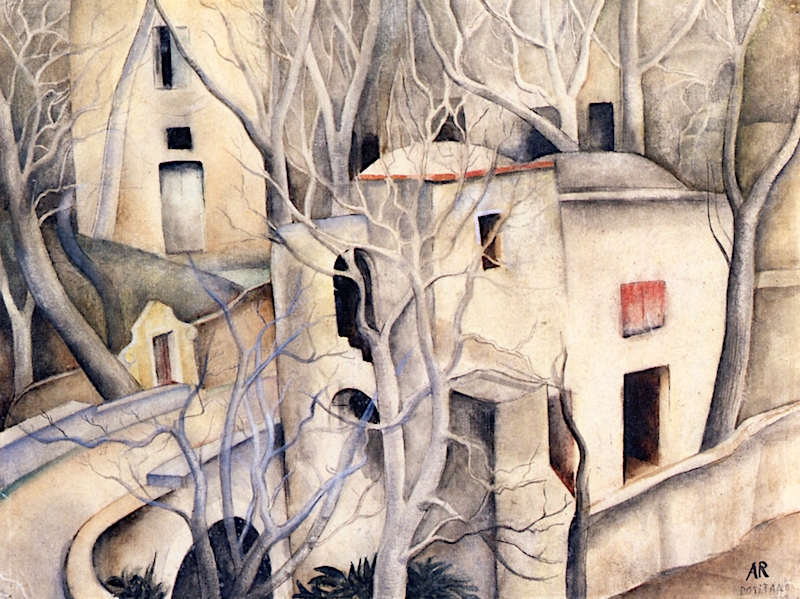
Nature and day-trip options in the area in Positano, Italia.
Weisse_Bäume
Foto: Anita Rée 1885-1933 · Public domain · Wikimedia Commons

The regional food you can taste here in Positano, Italia.
Street vendors at the annual Feast of San Gennaro in Little Italy, New York City. Image taken by User:Dschwen on Sept 8th 2004.
Foto: Dschwen · CC BY 2.5 · Wikimedia Commons

The regional food you can taste here in Positano, Italia.
Un tagliere in legno con coltello e ingredienti per il soffritto di un sugo al pesce: Aglio, pomodorini pachino IGP e prezzemolo a cui poi vanno aggiunti i frut
Foto: Andrea Pavanello, Milano · CC BY-SA 3.0 it · Wikimedia Commons
Photographs come from Wikimedia Commons and are used under the licences shown, with attribution.